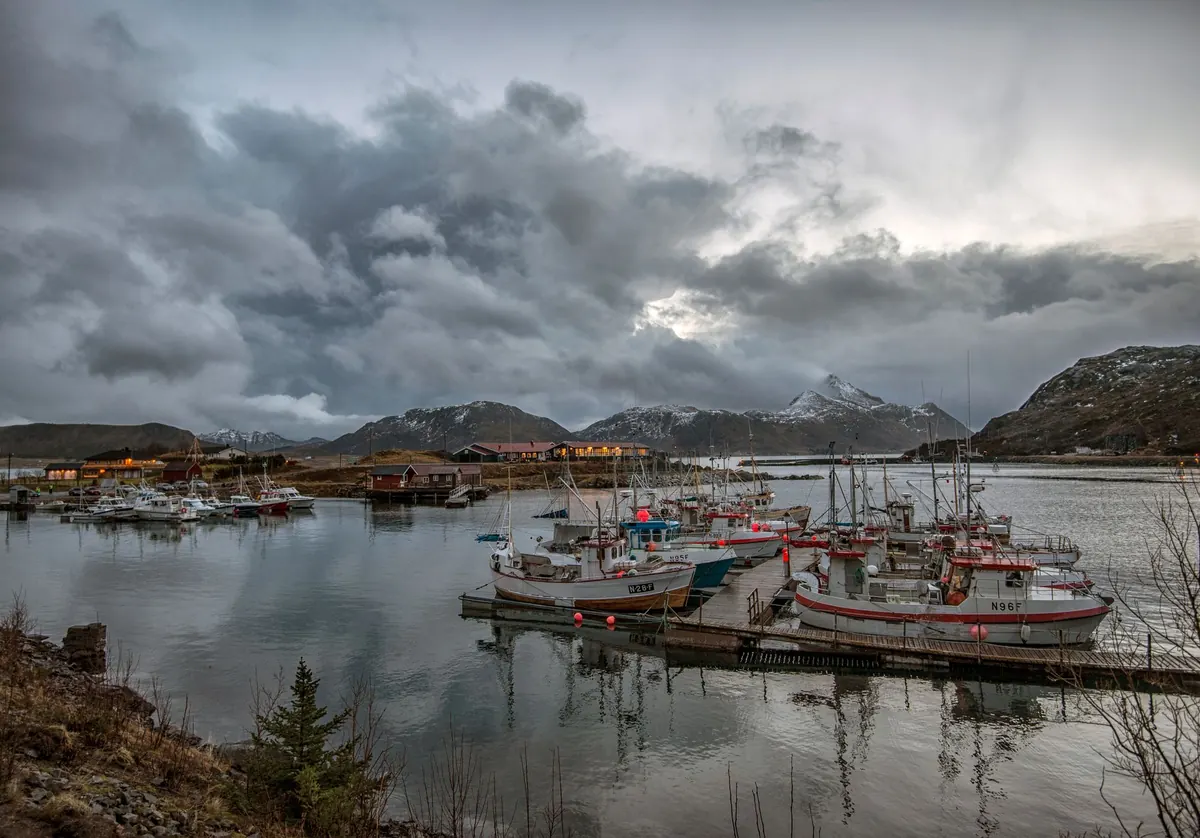
Winter changes an Atlantic harbour. The summer pontoons thin out, the water goes flat and grey, and the boats still afloat start to look like a decision rather than a plan. Staying aboard through the cold months can be the best part of the year — quiet, cheap, and close to a town that has finally slowed down. It can also be three months of damp bedding and frayed dock lines, and the difference is almost always decided in October, not in January.
Marinas handle winter differently from summer, and most of the difference sits in the paperwork. A berth you rented by the night in July may become "winter storage" in November, with a different agreement, different rules, and a different attitude to people sleeping aboard.
Ask for the winter berth agreement in writing and read it for four things. First, whether living aboard is permitted at all, and if so whether it is capped — some contracts allow a set number of nights per month, others require you to notify the office. Second, whether the marina can move you to another berth or a different pontoon at short notice. Third, whether you are expected to leave, or haul out, when a named storm is forecast. Fourth, how you are charged: per metre per month or a lump sum for the season, and whether electricity is metered, included, or billed separately.
Then look at your insurance. Many policies change navigation limits or require you to tell the insurer where the boat will sit over winter. Marinas often want a certificate of liability cover on file, and some ask for a specific winter location. Contracts and policies vary by country and by marina, so if a clause affects your plans, have it checked by someone qualified in that jurisdiction before you sign — not after the first gale.
Two harbours an hour apart can give you completely different winters. What matters is fetch, exposure and how the berth sits relative to the prevailing winter wind.
In Atlantic ports, the strongest winds often arrive behind a front, swinging through the west and northwest. That means a pontoon sheltered from the summer southerlies may be wide open in January. Walk the dock on a bad forecast day before you commit, and ask the people who are already there. Which finger pontoons funnel the wind? Which boats snatch and surge? Where does spray land?
Ask which pontoons take the winter wind, not which ones look prettiest in the brochure.
Tide and surge matter just as much. In harbours with big tidal ranges — the Bay of Fundy, the Bristol Channel, parts of Normandy and the Irish Sea — the difference between high and low shapes your gangway angle, your line lengths and how easy it is to step aboard with a bag of groceries. Elsewhere, storm surge is the concern: ask whether the car park floods, whether the pontoons rise freely, and whether the shore power pedestals stay above water.
Berth type counts too. Floating pontoons are generally kinder to lines and easier to board. Fixed quays need more attention to tides and fenders. A swinging mooring is cheapest and most exposed, and it means a tender ride every time you want to go ashore — which in a December blow is a serious commitment. In colder ports, also ask whether the harbour ices over, and whether the ice is thick enough to worry about or thin enough to chafe lines.
Heating a boat is easy. Keeping it dry is the hard part. Warm air in a cold hull meets cold surfaces and condenses, and the moisture ends up in your mattress, your lockers and your foul-weather gear.
Diesel heaters are the usual choice for liveaboards who want to run heat overnight; solid fuel stoves are lovely but demand attention and good flue practice. Electric oil radiators work well when shore power is reliable. Whatever you use, plan for air movement as well as warmth:
Any installation involving fuel, flues or combustion is a job for a qualified marine technician, and a carbon monoxide alarm in the sleeping cabin is not optional. Test it, and replace the sensor as the manufacturer advises.
Check the amperage your pedestal actually supplies and what else shares it. A single heater plus a kettle plus a battery charger can trip a weak supply, and in winter you will notice the moment it does. Inspect your shore power cable and plug for heat damage and loose connections, and use proper breakers and residual current protection rather than an adapter chain.
Most winter damage comes from chafe and windage, not from the sea. Prepare so that you could sort problems by torchlight, in rain, without thinking.
Know in advance where you would go if a line parted or the harbourmaster asked boats to leave. A plan you have spoken aloud is worth far more than one you have only thought about.
Winter shuts things off. Dock taps get isolated to protect the pipework, showers and laundry rooms close or move to shorter hours, and pump-out stations may be seasonal. Ask the office what still works in January and what you need to carry yourself.
Then think about the shore. Where is the nearest shop, pharmacy and bus stop? Is the dock lit at night, and does the gangway ice up? Living aboard in winter means walking that dock in the dark far more than you expect, often carrying things. A safe, well-lit approach matters more than a harbour with a nice view.
Do this groundwork and an Atlantic winter aboard becomes what it should be: dark evenings, a warm cabin, cheap berthing, and empty anchorages waiting for the first calm day of spring.
Photo: stein egil liland / Pexels

A practical checklist for cross-border coastal cruising: the documents to carry, the safety gear officials ask...
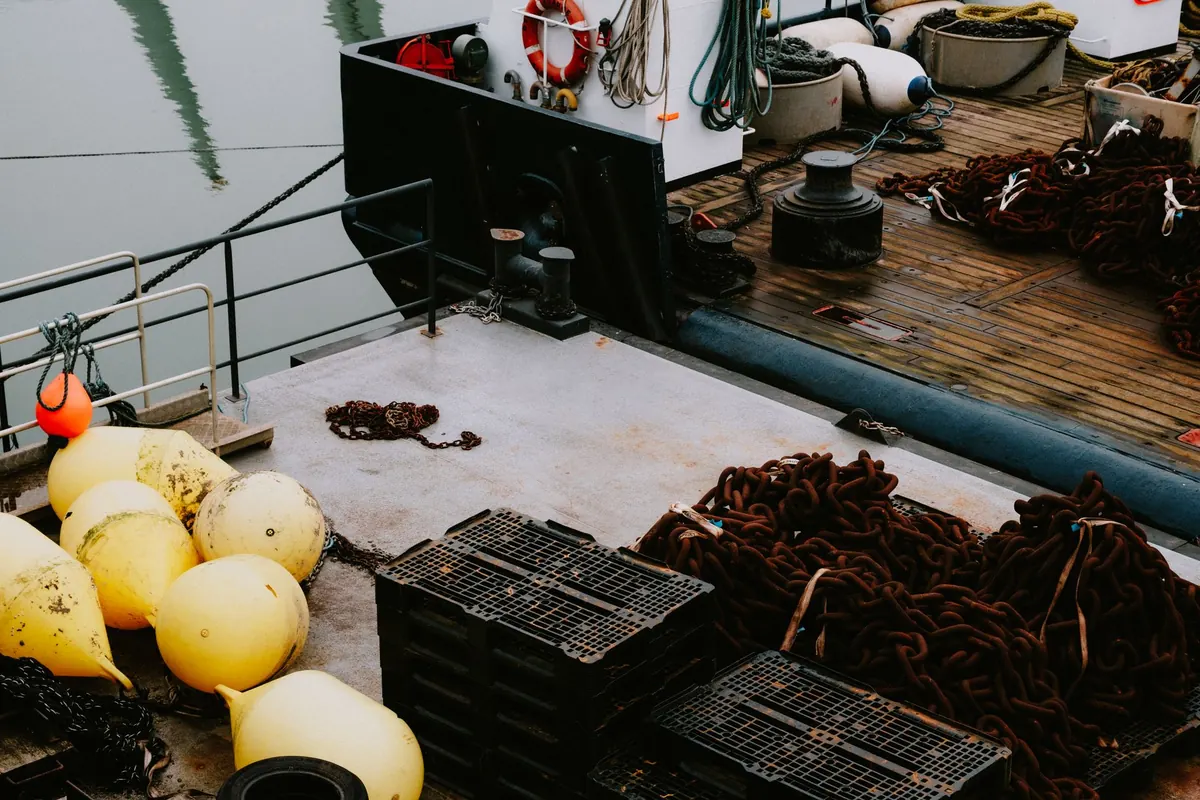
A practical guide to picking up a mooring buoy under power or sail, with approach plans, line handling, and safety...
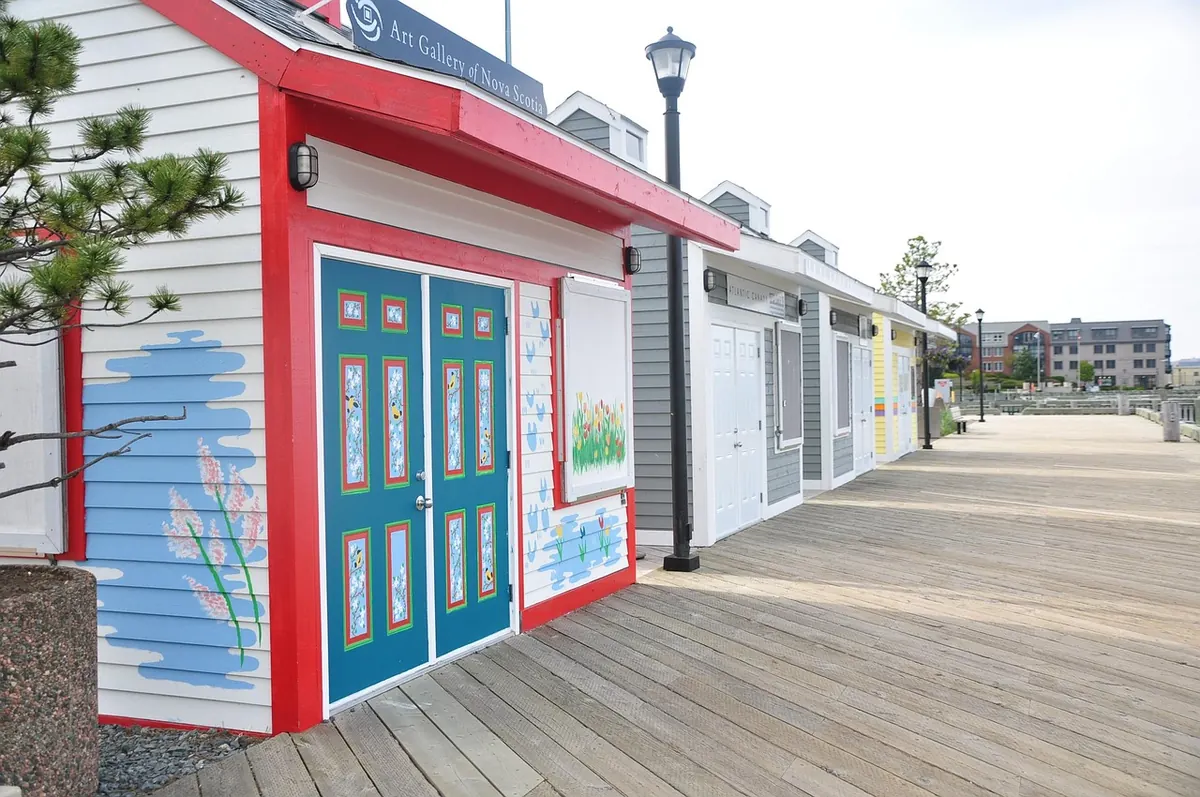
A practical guide to the unwritten social and operational rules of marina life, from handling lines and noise to...

Navigate the world's harbours with confidence..
