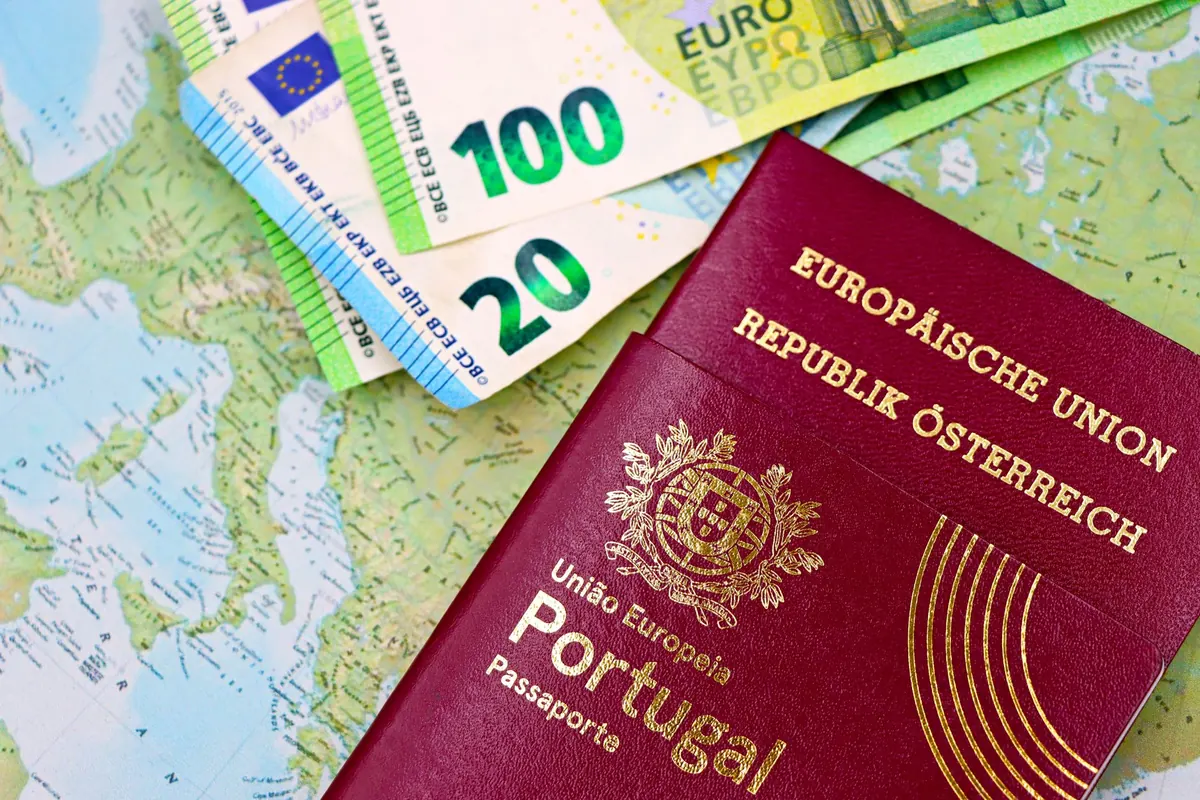
The first time you take a small boat across a national border, the sailing is rarely the hard part. The folder is. A harbour officer who wants the original registration document, a marina that asks to see in-date flares, a radio licence that should be somewhere on board and isn't — none of it is exotic, and nearly all of it is avoidable with one afternoon at the kitchen table before you leave. What follows is the working checklist for cross-border coastal trips: the papers, gear and port rituals that keep a two-week cruise from turning into a two-day argument.
Everything else follows from paperwork. Make three copies of everything: originals in a waterproof folder, a photocopy set in a different bag, and a scanned set on a phone or tablet that works offline. Some officials want originals, some accept copies, and you rarely learn which until you are standing in front of them.
Store the folder somewhere you can reach without unloading a locker. The moment you need it is usually the moment a uniformed stranger is waiting on the pontoon.
A policy that looks comprehensive at home can turn thin once you cross a line on a map. Most marine policies define a cruising area — named waters, a radius from a fixed point, or a region — and stepping outside it can void cover or require a mid-trip extension. Call your insurer before departure and get the extension in writing if you need it.
While you have them on the phone, ask about single-handed sailing, night passages, cover for crew, salvage and wreck removal. Some countries set a minimum third-party liability limit and officials may ask for evidence of it. Request a certificate in English and, where possible, in the language of the country you are entering. Keep the claims line written in the log, not just saved in a phone that may be flat or wet.
Insurance terms and liability requirements are legal and financial matters. Confirm the specifics with your insurer or a qualified adviser rather than relying on a summary like this one.
Officials rarely inspect a small cruising boat line by line, but certain items do get asked about, and the same items matter when the weather turns.
Two documents, often confused. The ship station licence authorises the radio set; the operator's certificate authorises you to use it. Both may be requested. Check that the MMSI number is programmed correctly and registered to the vessel — an MMSI inherited from a previous owner is a problem waiting to surface. In some inland European waters, ATIS is required alongside or instead of DSC, so verify before you go.
Know the local channels before you arrive: port authority working channels, marina channels, and the VHF 16 watch. Calling a harbour on the wrong channel gets you a polite brush-off at best, and in some places a marina's channel is formally restricted to marina traffic. Note arrivals in the radio log. It is good practice, and occasionally useful evidence.
The single most useful habit is to arrive at a designated port of entry, in daylight, with everything ready. Turning up unannounced at a quiet marina in a foreign country can create a morning you will not enjoy.
Regional quirks matter. Within the Schengen area, boats moving between Schengen ports are usually treated differently from those arriving from outside, and the details depend on flag, skipper nationality and route. Across much of the Caribbean you clear in and out at each island, sometimes with fees and a cruising permit. Non-EU-flagged boats in the EU deal with temporary admission and VAT status, worth understanding before you buy equipment for the boat. Declare everything — firearms, controlled medicines, pets, fresh produce. The penalty for a casual omission is always worse than the paperwork.
Two weeks out, confirm the insurance cruising area covers every country on the route and check expiry dates on passports, certificates and flare packs. One week out, print the three sets of documents, leave one ashore with someone reliable, update the EPIRB registration and MMSI contacts, and download charts and port-of-entry contact details for offline use. The day before, brief the crew: who carries which document, who speaks on the radio, and what happens if an official asks for something nobody can find. Practise the sentence you will use when you call a harbour.
The best cross-border coastal trips are administratively dull. Same folder, same routine, same three copies. When the wind is fair you will not think about paperwork at all, which is the point. Log each clearance with the date, the office and what was asked — next time that is a map of how the port works. And if something is genuinely unclear, whether it is a visa question, a liability limit or whether your dog can come ashore, ask the relevant authority or a professional before you leave the dock. A phone call from home costs far less than a day at anchor waiting for an answer.
Photo: Marta Branco / Pexels
Winter liveaboard life in Atlantic harbours rewards planning: read the marina contract, judge how the berth faces...
A practical guide to picking up a mooring buoy under power or sail, with approach plans, line handling, and safety...

A practical guide to the unwritten social and operational rules of marina life, from handling lines and noise to...

Navigate the world's harbours with confidence..
