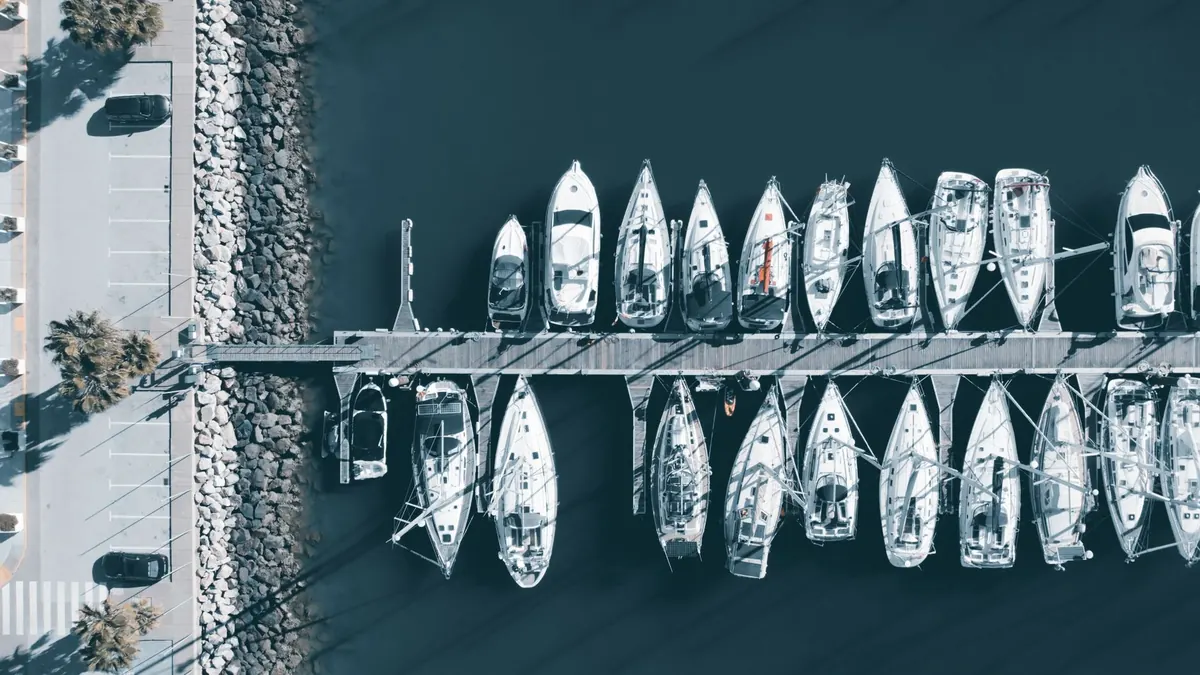
The best marina in a harbour is rarely the one with the biggest sign. It is the one whose water is deep enough at your berth, whose pontoon fits your beam, whose power pedestal matches the plug on the end of your shore cable, and whose gate you can walk through at eleven at night without worrying about the outboard. A transient slip is a small purchase with an outsized effect on how the next day goes. Five minutes of questions before you reserve saves a night of fenders, extension cables and cold dinners. These are the eight worth asking.
Marinas quote entrance depth, which is not the number you need. Ask for the depth at the specific berth they intend to give you, at lowest astronomical tide, and ask when it was last surveyed or dredged. A harbour that reads three metres at the entrance can shoal to two along the inside of a breakwater, and silt moves with every winter storm.
If you draw 1.8 metres, a two-metre berth is not comfortable on a falling tide with swell running. Ask about the bottom, too: soft mud is forgiving, rock and coral are not. And ask whether your berth sits in a fairway where every passing motorboat sends wash rolling under the hull, or whether it is tucked behind a wall.
Length is the easy part. Beam and overhangs cause the trouble. On a finger pontoon the gap between the fingers is fixed, and a 3.5-metre beam will not squeeze into a 3.2-metre slot no matter what the booking page suggests. Bowsprits, davits, boarding ladders, outboard brackets and a folded bimini all add centimetres you have not counted.
Ask for the beam of the berth, not just the length, and ask how you are expected to lie: alongside, bows-to with a lazy line, stern-to with your own anchor, or in a box with two mooring lines. Mediterranean marinas often expect a stern-to approach, which changes your fender plan completely. If you are not confident handling the boat in a tight fairway with a crosswind, say so when you book. A good harbour office will give you a wider berth or send someone to take your lines.
"Electricity included" can mean anything from a 16-amp socket on a shared pedestal to a metered 63-amp supply with a card you top up at the office. Check the amperage, the voltage and the shape of the socket before you arrive.
Ask whether the marina is staffed around the clock, whether the gates are locked at night, and how you get the code. Lighting and CCTV on the pontoons matter more than a smart office. A liveaboard community is often the best security a marina has: someone notices a stranger walking the dock at two in the morning.
Find out where you leave a dinghy or tender, and whether the dinghy dock is lit. If you plan to leave the boat for a few days, ask whether anyone checks lines and fenders in a blow, and whether you should double up. Get a phone number for the night watch or harbourmaster and save it before you go ashore.
A marina two kilometres from the nearest shop is fine if you have bikes and a problem if you do not. Ask about the walk, the bus, the ferry timetable, and whether taxis or ride-hailing genuinely serve the area after the last ferry. If you plan dinner ashore, check the last return service before you commit.
Ask about the fuel dock, pump-out station, chandlery and laundry, and whether there is somewhere within walking distance to eat on the night you arrive too tired to cook. If you may need a mechanic, ask now rather than at five o'clock on a Sunday.
Ask for the total, not the nightly headline: visitor taxes, environmental levies, liveaboard surcharges, shower tokens, laundry, and any charge for a second line ashore. Confirm arrival and departure times, because many marinas count a night from noon to noon and an early arrival can cost you an extra day. Ask what happens if weather delays you, and what the cancellation terms are. Get the berth number, the rate and the conditions in writing by email; a screenshot of a booking page is not a contract.
Ask whether the berth is guaranteed or assigned on arrival, and what the fallback is if someone is already in it. Ask how the approach behaves in a strong onshore wind and whether the harbour is safe to enter at night. Ask who takes your lines, and what time the office closes. Arriving at ten in the evening to a locked gate and no code is a common, avoidable misery. Keep a second option in your notes: an anchorage outside, or a neighbouring marina whose number you have already called.
Ask them on the phone, write the answers down, and confirm the important ones by email. Then top up the water, check the fenders, and go and enjoy the evening ashore.
Photo: Ignacio Florido / Pexels

A practical checklist for cross-border coastal cruising: the documents to carry, the safety gear officials ask...
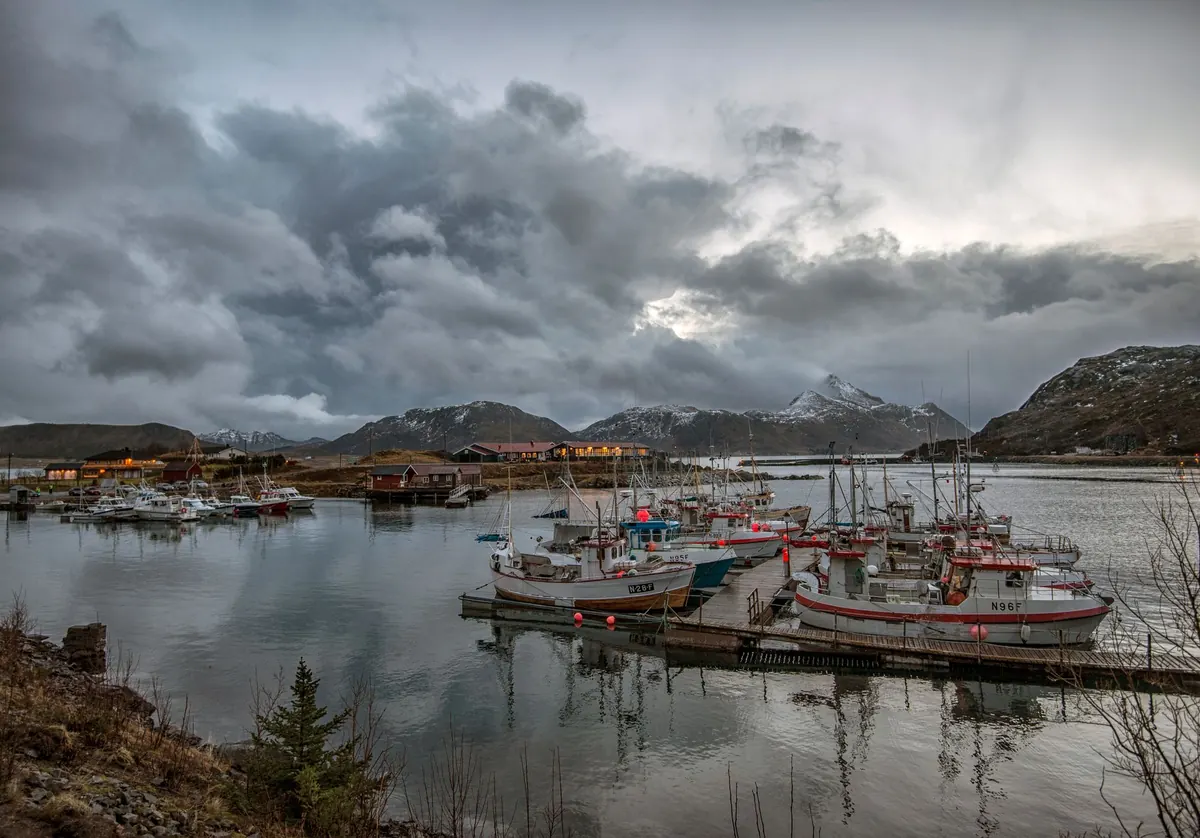
Winter liveaboard life in Atlantic harbours rewards planning: read the marina contract, judge how the berth faces...
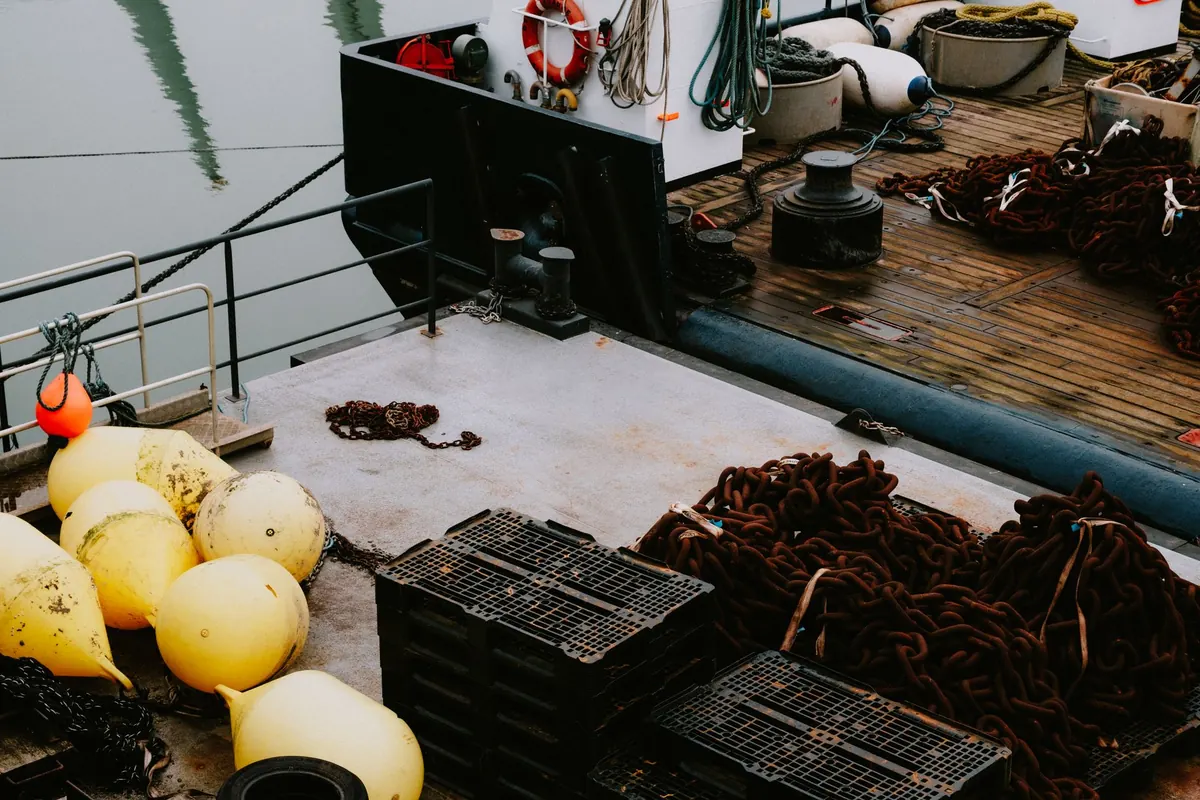
A practical guide to picking up a mooring buoy under power or sail, with approach plans, line handling, and safety...

Navigate the world's harbours with confidence..
